Senior Dog Grooming: What Changes and Why It Matters More
Senior dogs aren't harder to groom. They're just different. Understanding those differences is what keeps an older dog comfortable, healthy, and looking good well into their later years.
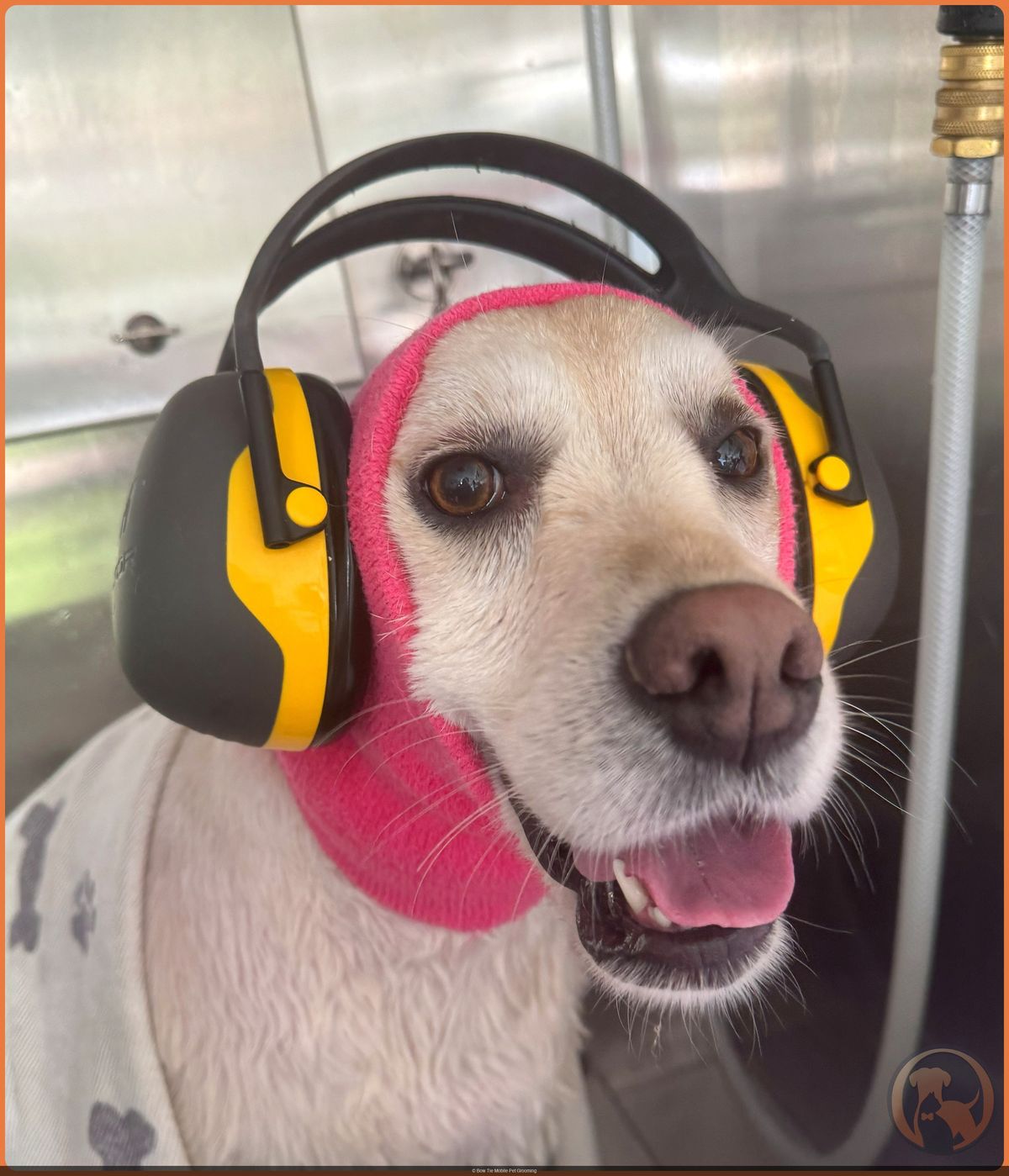
If you've had your dog since they were a puppy, you know how much changes over the years. The zoomies slow down. The naps get longer. The muzzle goes gray. And grooming — something that used to be a quick, routine appointment — starts to feel a little different.
Senior dogs aren’t harder to groom. They’re just different. And understanding those differences is what keeps an older dog comfortable, healthy, and looking good well into their later years.
What “Senior” Actually Means for a Dog
Age is relative in dogs. A Great Dane is considered senior at six or seven. A Chihuahua might not hit that threshold until ten or eleven. In general, most medium-to-large breeds cross into their senior years somewhere between seven and nine.
You don’t need to wait for an official label to start thinking about senior-specific grooming. If your dog is slowing down, stiffer in the mornings, or showing other signs of aging, it’s worth adjusting your grooming approach now rather than waiting.
How a Senior Dog’s Skin and Coat Change
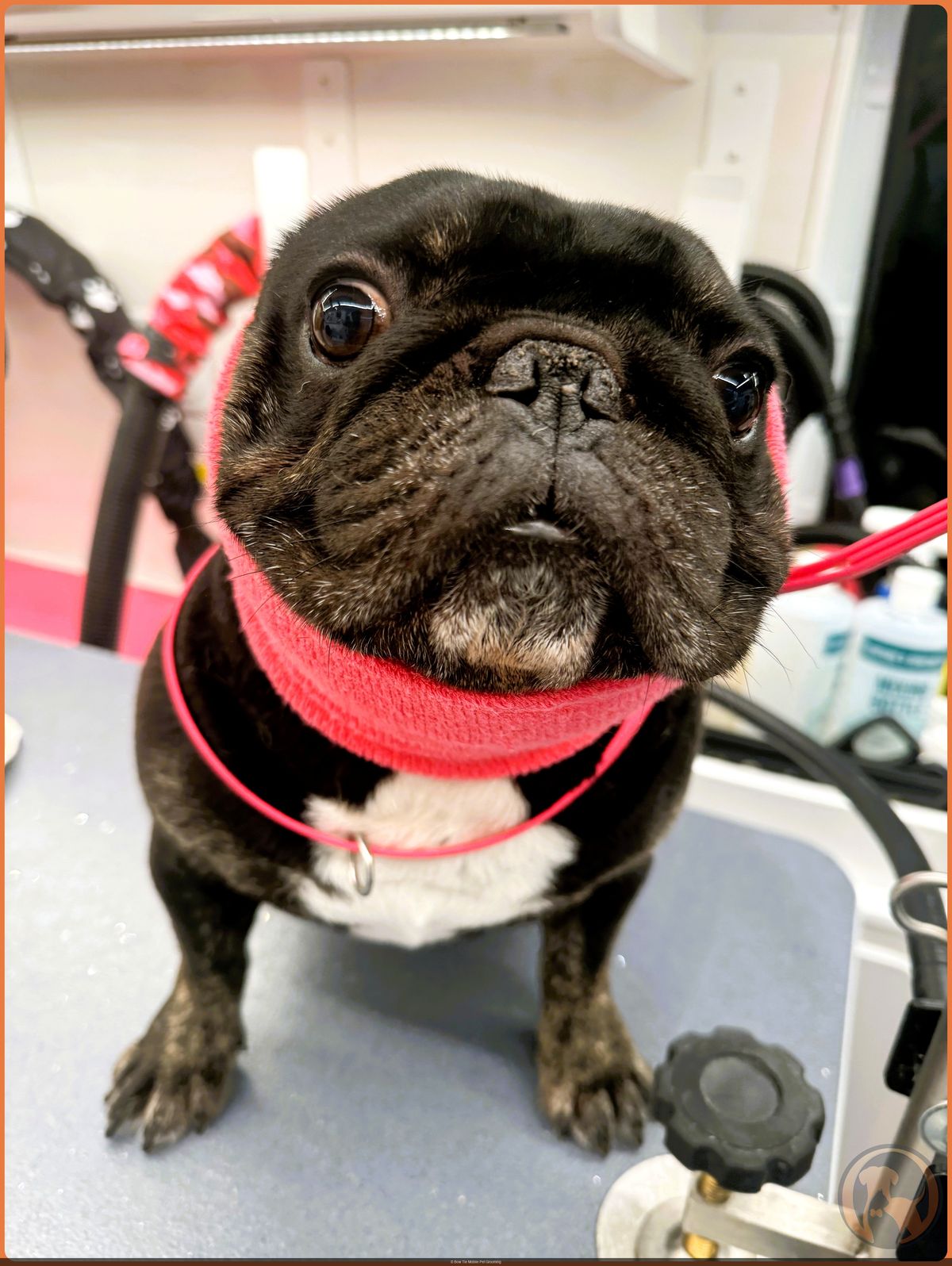
This is the part most owners don’t think about until they see a problem. Aging affects your dog’s coat and skin in real, noticeable ways.
Coat Texture Shifts
Some dogs develop wiry, rough patches where they once had soft fur. Others thin out and develop bare spots where coat doesn’t grow back the way it used to. Both are normal — both change how the coat needs to be cared for.
Skin Becomes Fragile
A younger dog’s skin has more elasticity and resilience. An older dog’s skin is thinner, dryer, and more prone to irritation. The tools and techniques that worked fine at three years old can be too aggressive at ten.
Oil Production Slows
Sebaceous glands produce less oil as dogs age, leading to drier, flakier skin. You might notice more dandruff or itching without an obvious cause. Regular grooming helps distribute what oils are there.
Lumps & Bumps Appear
Senior dogs commonly develop lipomas (benign fatty lumps) and other skin tags or growths. They aren’t always serious, but they need to be on a groomer’s radar so they’re not nicked with clippers or irritated during brushing.
Why Grooming Matters More as Dogs Age
Here’s the counterintuitive part: many owners think older dogs need less grooming because they’re less active. Actually, the opposite is true.
Less activity means less natural coat maintenance. A dog that used to run through the yard and roll in the grass — things that naturally loosen and redistribute the coat — now spends more time lying down. That increases matting risk, especially around the elbows, armpits, and any area that sees friction.
Older dogs also groom themselves less effectively. Arthritis or stiffness can make it difficult for them to reach certain areas. You’ll start to notice the areas behind the ears, around the collar, and near the hindquarters looking rougher than the rest of the coat. Those are the spots that need more attention, not less.
And perhaps most importantly, grooming appointments are one of the few times someone is running their hands deliberately over your dog’s entire body. For senior dogs, that matters. Early detection of skin changes, unusual masses, or areas of sensitivity can make a real difference in health outcomes.
Mobility and Comfort During Grooming
Joint stiffness is one of the biggest practical challenges in grooming senior dogs. Standing on a grooming table for 90 minutes is manageable for a three-year-old Lab. It’s a real strain for a ten-year-old Lab with arthritis in his hips.
Good senior grooming adjusts for this. Some dogs do better with shorter sessions. Some need repositioning more often during the groom. Some can’t be put in positions that hyperextend their joints or require them to hold awkward stances for the nail trim.
Helen adjusts her technique based on each dog’s comfort level. If a dog needs to sit instead of stand during part of the groom, we make that work. If they need a break in the middle, we stop. The grooming appointment should never be the source of pain.
Watch for subtle signals. We also pay close attention to how a senior dog reacts to handling. A dog who used to be perfectly fine with paw handling but now flinches when we touch their back legs isn’t being difficult. They’re telling us something hurts. That information matters, and it should be passed on to your veterinarian.
Temperature Sensitivity in Older Dogs
Senior dogs regulate their body temperature less efficiently than younger dogs. That means they get cold faster and overheat more easily.
This is something that becomes very relevant in North Texas. Our summers are brutal, and older dogs feel that heat more acutely than younger ones. Keeping the mobile salon properly temperature-controlled isn’t just comfort — for senior dogs, it’s a health consideration.
Cold water during bathing is also a problem for older dogs. We use warm water throughout, and we’re careful about how long the drying process takes. A senior dog who’s chilled after a bath is uncomfortable in a way a younger dog just isn’t.
Why Mobile Grooming Works So Well for Senior Dogs
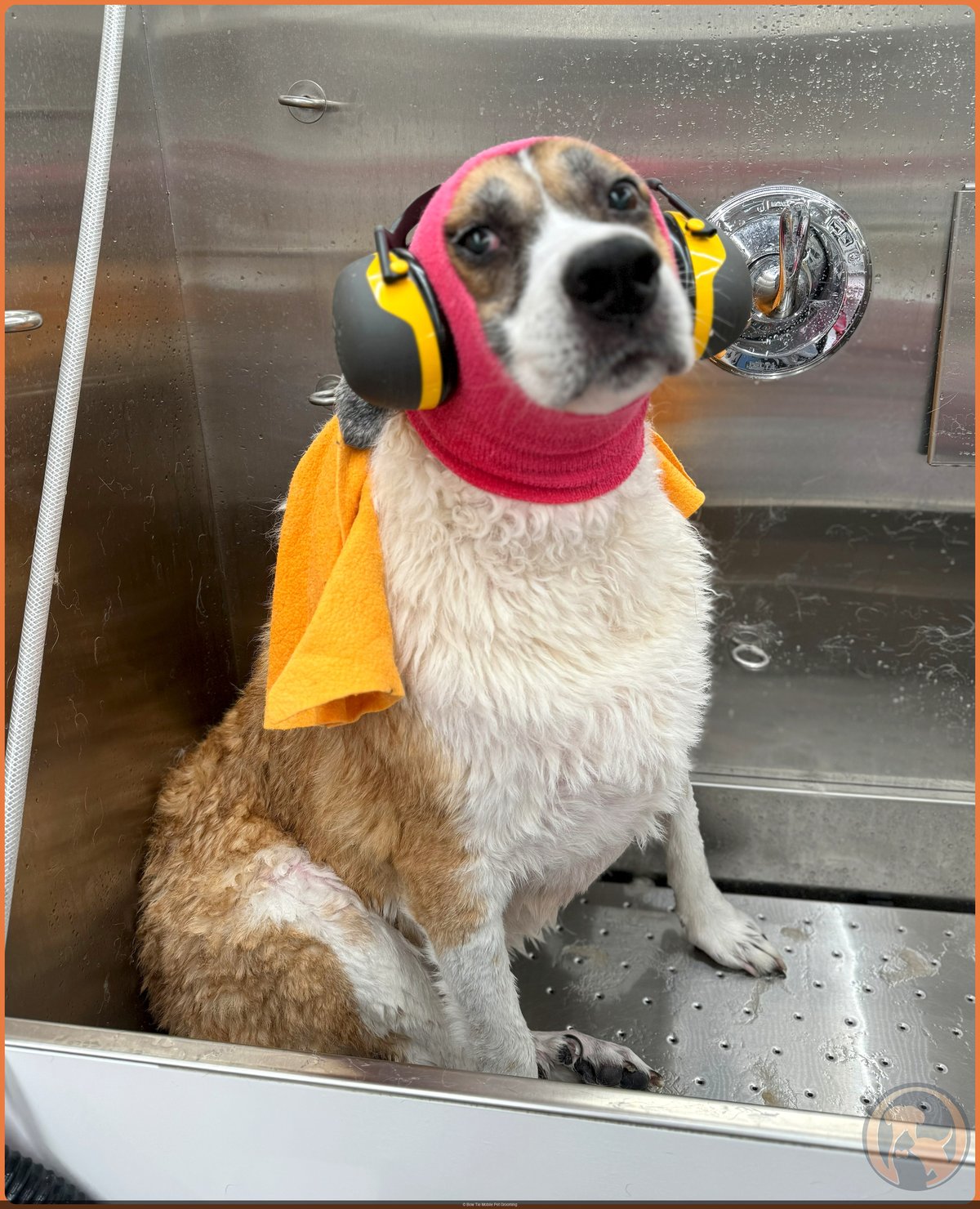
The traditional salon experience is hard on older dogs for a handful of specific reasons. The car ride is stressful. The wait in a kennel is stressful. Being handled by multiple people is stressful. And all that stress, piled together, takes a real toll on a dog who already has less energy to spare.
Mobile grooming removes most of that.
Your senior dog steps out the back door and into the van. No car ride. No lobby. No kennel time. Helen is the only person they interact with. When it’s done, they walk straight back inside to their bed.
For a dog with arthritis or reduced stamina, that difference is significant. The total time away from their comfortable routine is 60 to 90 minutes instead of a full afternoon.
The stress load is dramatically lower. And the recovery time — that post-grooming crash that older dogs often need — is shorter because they weren’t running on stress hormones for two hours before the first clipper touched their coat.
We also build in flexibility for senior dogs. If your dog needs to take a break halfway through, we take a break. If they’re clearly having a hard day, we can adjust the appointment accordingly and focus on what matters most. Like anxious dogs, senior dogs benefit from the calm, controlled environment that mobile grooming provides.
What PETCHECK™ Catches on Senior Dogs
Every appointment includes a PETCHECK™ wellness scan, where Helen does a deliberate visual check of your dog’s coat, skin, ears, eyes, and paws. On a senior dog, this scan tends to turn up more. Learn more about what PETCHECK™ catches at every appointment.
Skin tags and lumps are the most common finds. Many senior dogs have several lipomas — benign fatty tumors — that their owners know about. Sometimes we find new ones. We note their location and size so we can mention any changes at future appointments. If something looks different or a dog reacts to us touching a particular spot, we flag it for your vet.
We also catch ear issues more frequently in older dogs. Ears that don’t get cleaned regularly are prone to infection, and senior dogs whose owners have naturally shifted to lower-maintenance care routines can accumulate problems there.
Don’t skip nail trims. Overgrown nails change a dog’s gait, which puts additional strain on already-stressed joints. Nail trims are easy to let slip with a senior dog who isn’t running on hard surfaces anymore, but they may be more important now than ever.
How Often Should Senior Dogs Be Groomed?
The right answer depends on the coat type, but in general, senior dogs benefit from slightly more frequent grooming rather than less.
Short-Coated Breeds
Beagles, Boxers, Labs. Six-to-eight-week schedule. Main focus is skin health and nail maintenance.
Medium-Coated Breeds
Golden Retrievers, Cocker Spaniels, Australian Shepherds. Every four to six weeks. Older dogs in this group mat faster, so frequency matters more.
Long & Curly Coats
Poodles, Shih Tzus, Bichons, Doodles. Every three to four weeks. Mobility issues can mean they aren’t moving enough to prevent matting naturally.
If your senior dog has a history of skin issues or is on any medications that affect the coat, your vet’s input on grooming frequency is worth getting.
What You Can Do Between Appointments
The work doesn’t stop when we drive away. Here are a few things that make a real difference for senior dogs between grooming appointments.
Brush Regularly, But Gently
A soft-bristle brush or slicker brush used a few times a week keeps the coat from matting and gives you a chance to notice new lumps or areas of sensitivity. Senior dogs often enjoy the attention.
Check the Paws
Look between the pads for debris, cracking, or redness. Older dogs can develop corns or calluses, especially on elbows and hocks. Paw balm prevents cracking in dry Texas winters.
Keep Ears Clean
Ask us to show you how to do a basic ear wipe at home. For dogs prone to ear issues, a quick wipe with a cotton ball and ear cleaner every couple of weeks prevents problems from building up.
Watch for Pain Signals
If your dog flinches when you brush a particular area, or yelps when you handle their paws, note it and mention it at the next appointment. Those signals can indicate underlying discomfort your vet should know about.
The Bigger Picture
Grooming a senior dog well is an act of care. It’s easy to let it slip — they’re calmer now, they don’t play in the mud, they don’t really seem to mind. But regular grooming keeps them comfortable, helps maintain skin and coat health, and gives someone trained to notice problems a chance to look closely.
Helen has groomed senior dogs through their final years, and the owners who keep up with grooming consistently tell us the same thing: their dogs feel better, move better, and seem more like themselves when they’re well-kept. There’s dignity in that.
A dog who looks good and feels clean carries themselves differently, even at twelve years old.
If your senior dog is due for a groom, or if they’ve been putting up with a salon experience that’s become harder on them as they’ve aged, mobile grooming is worth trying. We serve Frisco, Plano, McKinney, Prosper, The Colony, and the surrounding North Texas area, and we’re happy to talk through what works best for your older dog before booking.
Get a quote or learn more about our services. Your senior dog has earned a little extra kindness — we’re here to help with that.
Frequently Asked Questions
When should I start treating my dog as a senior?
It’s breed-dependent. Great Danes are senior at six or seven; small breeds like Chihuahuas may not hit that threshold until ten or eleven. Most medium-to-large breeds cross over between seven and nine. You don’t need to wait for the official label — if you notice slowing down, morning stiffness, or other signs of aging, start adjusting your grooming approach now.
Are senior dogs charged more for grooming?
Not by us. Pricing is based on breed, size, and coat type — not age. Senior dogs sometimes take a little longer because we move at their pace and build in breaks if needed, but that’s included in the standard appointment.
What if my dog can’t stand for the whole appointment?
Helen adjusts. Some senior dogs do better sitting for parts of the groom, some need repositioning more often, and some need a break in the middle. We never put a dog in a position that hyperextends their joints or forces them to hold an awkward stance. The grooming appointment should never be the source of pain.
Should I switch to shorter, more frequent grooms?
For some senior dogs, yes. If your dog tires easily or shows discomfort during longer sessions, splitting the visit into two shorter appointments — bath at one, full styling at the next — can help. Tell us what you’re seeing and we’ll work out a plan that fits your dog.
How do I know when grooming is too stressful for my older dog?
Watch the recovery. A normal post-groom dog rests an hour or two and bounces back. A dog who’s exhausted for the rest of the day, refuses food, or shows new mobility issues afterward is telling you something. Mobile grooming usually solves this because it removes the car ride, the wait, and the unfamiliar environment — all the things that compound stress for older dogs. If symptoms persist on mobile, talk to your vet about whether grooming should be adjusted further.
Ready to give your senior dog the gentle grooming they deserve?
We serve Frisco, McKinney, Plano, Prosper, and The Colony. Every appointment includes a complimentary PETCHECK™ wellness scan.